Felt acoustic panels are a practical option for spaces such as offices, conference rooms, recording studios, and home theaters. In these environments, sound reflections can affect how people communicate, work, or listen to audio. Felt panels can help manage reflected sound while complementing the interior design through different colors, shapes, and patterns. For commercial projects, choosing the right panels means considering both the needs of the space and the design requirements, as well as the material, available specifications, and customization options.
1. Identify the Acoustic Needs of the Project
The first step is to understand how the space will be used. Different rooms have different acoustic requirements, so the same panel design may not suit every project.
In open-plan offices and conference rooms, conversations, equipment noise, and sound reflections can affect the working environment. Acoustic wall treatments may help manage reflected sound, depending on the materials used, their placement, and the room’s overall design.
Recording studios and home theaters have different priorities. These spaces may require closer attention to sound reflections and listening conditions. The amount and placement of acoustic treatment should be considered alongside the room layout and other acoustic materials.
It is also important to distinguish between sound absorption and sound insulation. Absorption helps manage sound energy reflected within a room, while insulation concerns how much sound passes between spaces. A felt panel designed for acoustic treatment should not automatically be treated as a soundproofing solution.
Before selecting a product, define the purpose of the installation and identify any specific acoustic targets.
2. Choose the Right Material for the Application
Acoustic panels are made from materials such as polyester felt, fiberglass, mineral wool, and acoustic foam. Each material has different characteristics and uses, making it important to match the product to the needs of the space.
Polyester felt is a suitable option for commercial interiors where acoustic treatment and visual design are both important. It can be made in different colors, shapes, and patterns, allowing panels to complement office interiors, conference room layouts, and studio designs. Laser cutting adds further flexibility, making it possible to create custom outlines and decorative patterns rather than relying only on standard panel shapes. These features make felt panels particularly useful for projects that require customized wall designs.
Fiberglass panels are widely used in commercial acoustic applications, including offices and other spaces that require sound absorption. Their performance varies with panel construction and thickness.
Mineral wool panels are used in wall and ceiling systems where sound absorption is required. Their suitability depends on the specific product and installation design.
Acoustic foam is commonly found in recording studios and other spaces where controlling sound reflections is important. Different surface profiles are available, although acoustic foam should not be confused with soundproofing material.
For projects where appearance and customization are key considerations, polyester felt offers practical design options alongside its intended acoustic function. PET Acoustic Panels can be considered for offices, conference rooms, recording studios, and other interior applications.
3. Evaluate Panel Thickness, Size, and Design
Felt panel thickness is one factor to consider when planning an installation. Thicker panels may have a different visual profile and take up more space on the wall. The choice should fit the available installation space and the overall design of the room.
Panel size also matters when planning a wall layout. Standard sizes may work well for straightforward installations, while custom dimensions can help cover specific wall areas or fit a particular design. Before ordering, consider how the panels will be arranged and whether the same layout needs to be repeated across several rooms.
Color and shape can make a difference to the finished space, too. Neutral tones can blend into office interiors, while brighter colors and geometric patterns can add visual interest to meeting rooms or creative spaces. Laser-cut designs offer more ways to customize the look of PET Felt Panels to suit a project’s interior style.
Before production begins, confirm the panel dimensions, thickness, color, and design with the manufacturer. This is especially important for custom orders, where the final specifications need to match the planned installation.
4. Understand the Benefits of Laser Cutting
Laser cutting allows felt materials to be shaped into different outlines and patterns. For commercial interiors, this process can support decorative layouts that go beyond simple rectangular panels.
Depending on the design, cut shapes and patterns can help create visual features on office walls, meeting room surfaces, and other interior spaces. Laser-etched designs may also be considered when a project calls for a more customized appearance.
5. Introducing ZOE Felt Acoustic Panels
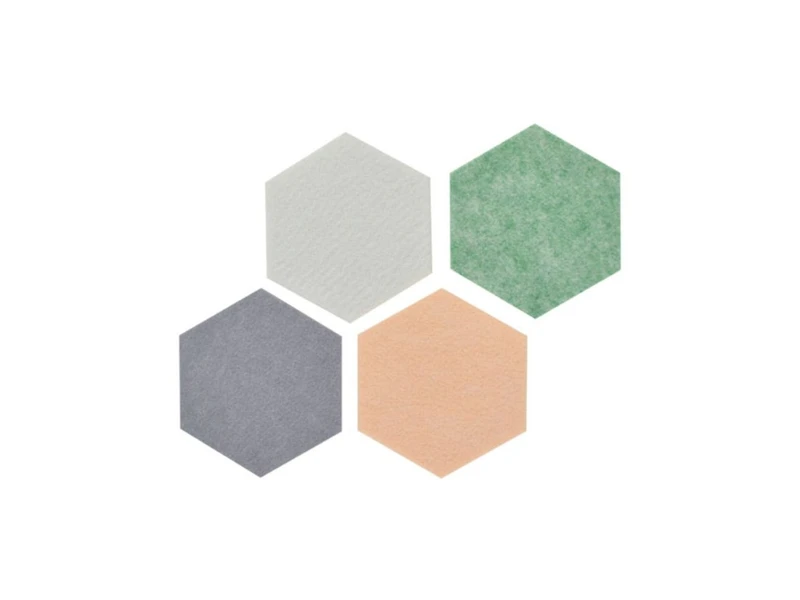
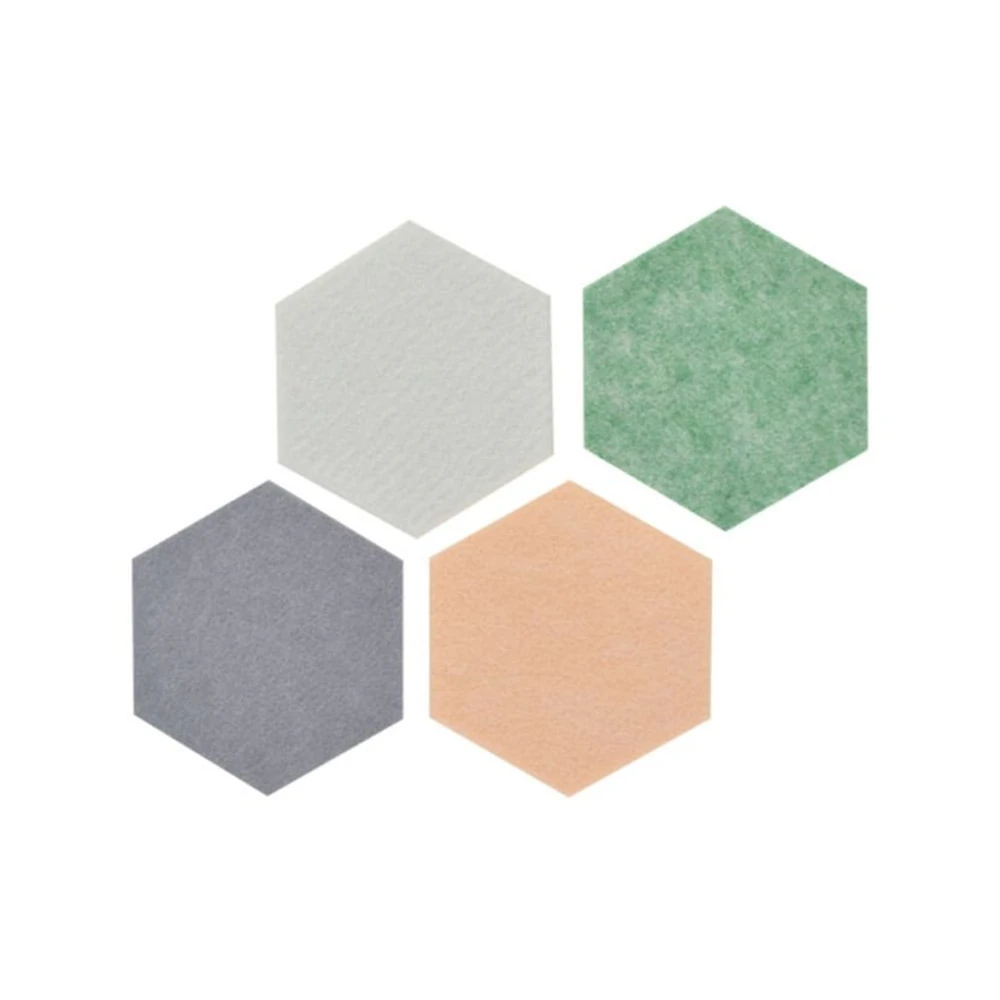
ZOE Felt Acoustic Panels are made from Eco-Polyester Felt and shaped using laser-cutting technology. They are designed for interior applications such as corporate offices, conference rooms, recording studios, and home theaters.
ZOE offers customization options for colors, shapes, patterns, and laser-etched designs. OEM, ODM, and OBM services are also available for businesses developing products for their own brands or specific markets.
Panel thickness can be customized from 5 mm to 24 mm, with an approximate weight of 2 kg per set.
6. Consider Customization and Manufacturing Capacity
For B2B orders, customization is only one part of supplier evaluation. Minimum order quantities, production lead times, packaging options, and order terms also affect purchasing plans.
For ZOE Felt Acoustic Panels, the minimum order quantity is 1,000 sets for customized orders and 200 sets for in-stock orders. The production lead time for customized orders is approximately 48 days, although the schedule can be negotiated based on order requirements.
The standard packaging is a plastic bag, with box packaging available as an option. If branded packaging or other packaging arrangements are required, the details should be confirmed before production begins.
Payment methods include T/T (bank transfer), PayPal, WeChat Pay, and Alipay. Available trade terms include EXW (Ex Works), FOB (Free on Board), and DDP (Delivered Duty Paid). The specific arrangements should be confirmed during quotation and order discussions based on the destination and delivery requirements.
When requesting a quotation, buyers should provide details such as the estimated order quantity, required thickness and dimensions, color, design files, packaging preferences, and delivery destination. Clear requirements help ZOE confirm customization options, pricing, and lead times before production starts.
7. Check Product Specifications and Compliance
Before approving an acoustic panel for a commercial project, review the product specifications and request documentation relevant to the intended market.
For our panels, the stated material is Eco-Polyester Felt, and the product complies with Prop 65 (California Proposition 65) and RoHS. Buyers should request the applicable declarations or supporting documents and verify that they cover the product being purchased and the requirements of the destination market.
Conclusion
Choosing felt acoustic panels for a commercial project involves more than selecting a color or design. The intended application, panel dimensions, material, customization options, and product documentation all play a role in determining whether a product fits the project’s requirements.
ZOE Felt Acoustic Panels offer customizable thicknesses from 5 mm to 24 mm, a range of design options, and OEM, ODM, and OBM services for B2B buyers. If you are planning an office, conference room, recording studio, or other interior project, contact ZOE to discuss your requirements and request a quotation for your project.
FAQs
1. What Are Felt Acoustic Panels Used For?
Felt acoustic panels are used in spaces such as offices, conference rooms, recording studios, and home theaters. They can help manage sound reflections while adding decorative elements to interior walls. Their suitability depends on the requirements of the space and the panel design.
2. What Should You Consider When Choosing PET Acoustic Panels?
When choosing PET Acoustic Panels, consider the intended application, panel size, thickness, color, shape, and installation layout. For commercial projects, customization options and product specifications should also be checked before placing an order.
3. Can ZOE Felt Acoustic Panels Be Customized for B2B Orders?
Yes. ZOE Felt Acoustic Panels support customization of thickness from 2 mm to 5 mm, as well as colors, shapes, patterns, and laser-etched designs. OEM, ODM, and OBM services are available. The minimum order quantity is 1,000 sets for customized orders and 200 sets for in-stock orders.