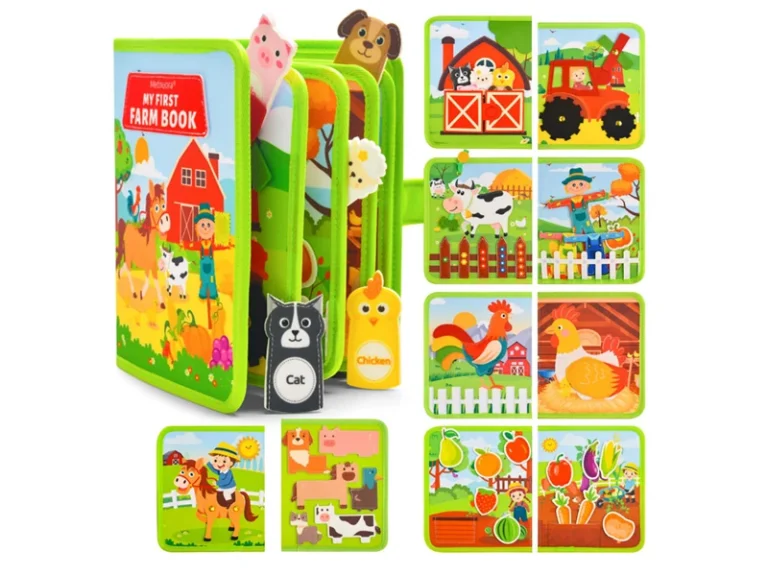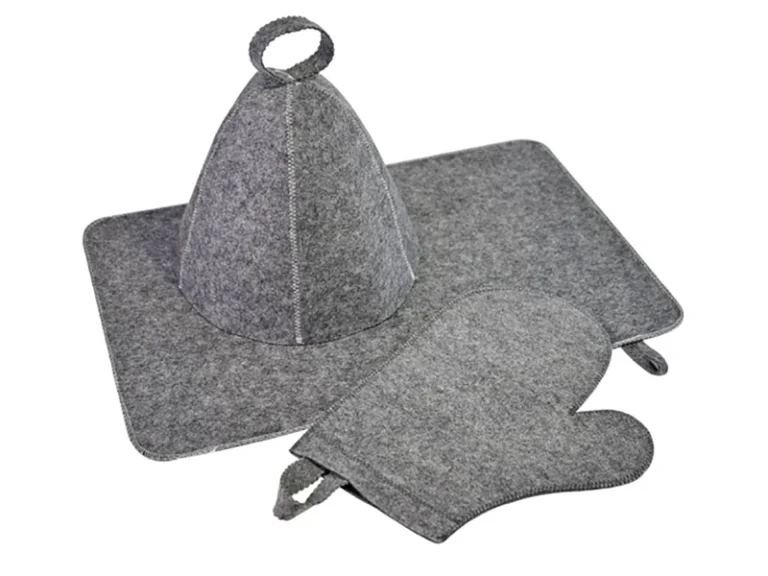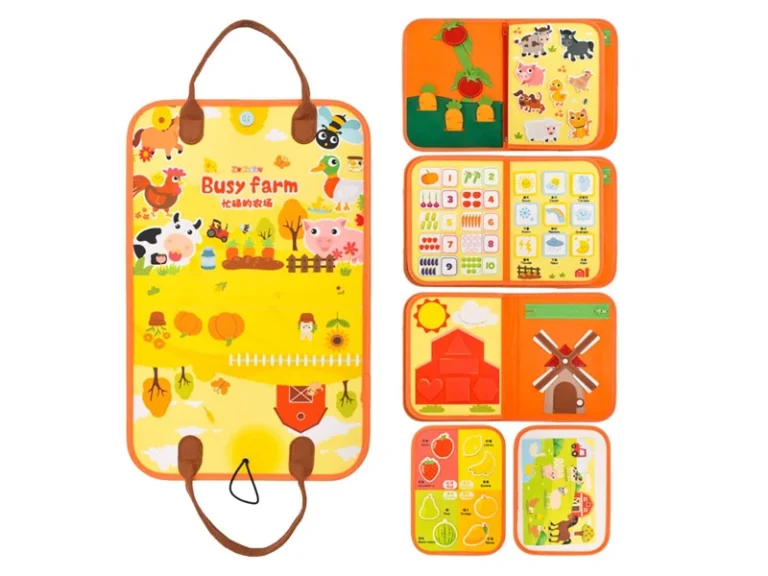
Felt sensory mats are designed to give toddlers opportunities to explore different textures, movements, and simple learning activities through hands-on play. Unlike toys that mainly focus on one type of interaction, sensory mats can combine tactile exploration with matching, movement, and early learning tasks.
For parents, preschools, and educational product buyers, the true value of a sensory mat lies far beyond its surface textures. The material, construction, age suitability, activity design, and ease of use all affect how useful the mat can be in everyday learning environments.
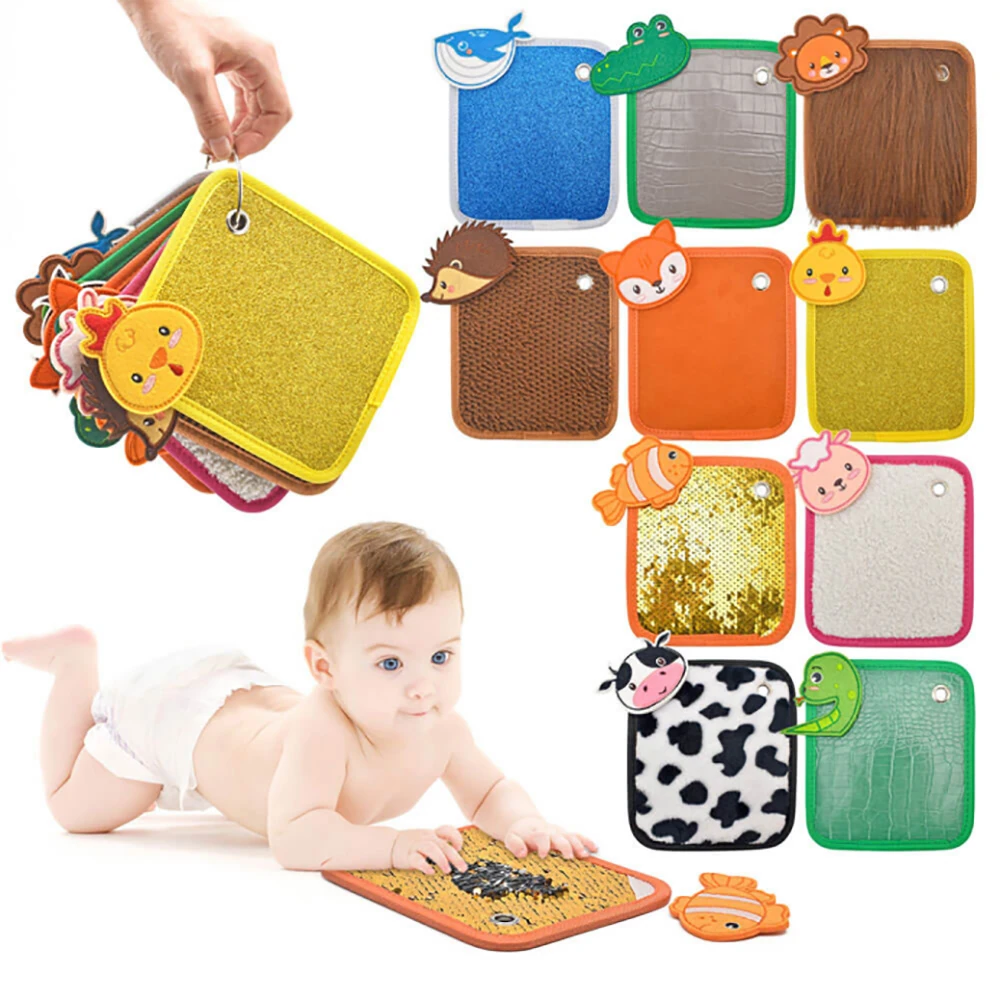
What Are Felt Sensory Mats?
Sensory mats can use different surface designs to provide children with a variety of tactile experiences. Soft, smooth, rough, raised, woven, or slightly elastic surfaces can create different sensations when touched or stepped on.
Eco-friendly felt is a common material choice for educational felt products. It is lightweight and can be made into different shapes and designs, making it suitable for products that need to be handled, moved, or stored frequently.
Sensory mats are usually made with thick felt fabric as the base, with different surface materials laminated to one side. The bottom is treated with anti-slip dots to help prevent slipping during use, making the mats both environmentally friendly and safer for children.
When choosing a supplier, buyers need to consider both product pricing and the supplier’s experience in compliant product design. As sensory mats are children’s early-learning and educational toys, the products need to comply with the applicable laws and requirements of the target market.
How Do Felt Materials Provide Different Tactile Experiences?
The surface of a sensory mat can be made with different textures to give children more than one tactile experience. Smooth, soft, rough, raised, woven, or flexible surfaces can create noticeable differences when children touch or step on them.
Polyester felt is widely favored in premium educational products for its lightweight feel and design flexibility. It can be easily crafted into diverse textures and structures, ensuring the toy withstands daily classroom or home use while remaining effortless to store.
The choice of felt materials should still depend on the intended application. Buyers should consider texture, thickness, durability, cleaning requirements, and the overall construction rather than selecting a material based on softness alone.
How Do Felt Sensory Mats Support Toddler Development?
Sensory play gives young children opportunities to explore their surroundings through direct interaction. A well-designed Sensory Mat can support several areas of early learning when activities are appropriate for the child’s age and development.
Sensory Development Through Tactile Exploration
Different textures give toddlers opportunities to notice differences in how materials feel. Touching, pressing, rubbing, or stepping on different surfaces can encourage children to pay attention to tactile information.
This type of exploration can be especially useful when children are introduced to new materials or sensory experiences gradually. Adults can also describe the textures during play, using simple words such as soft, rough, smooth, bumpy, or fluffy.
Cognitive Development Through Matching Activities
Shape and texture matching serves as a foundational cognitive exercise for toddlers. Children can compare colors, shapes, animals, textures, or other visual features to identify which sensory mat an animal-shaped felt piece belongs to, and then use hand-eye coordination to attach it to the corresponding position.
These activities can also introduce early concepts such as classification, recognition, and problem-solving. The difficulty can be adjusted according to the child’s age and ability.
Fine Motor Skills and Hand-Eye Coordination
Sensory play does not have to be limited to touching surfaces. Activities that require children to pick up, move, attach, remove, or match objects can involve controlled hand movements.
For example, a simple matching activity may require a child to look at an object, identify where it belongs, and use their hands to place it correctly. Repeated activities like these can provide opportunities to practice fine motor control and hand-eye coordination.
Creativity and Interactive Learning
Sensory mats can also be used as open-ended learning tools. Instead of following one fixed activity, adults can create simple games around textures, colors, objects, or movement.
This allows the same mat to be used in different ways as children become more familiar with it. In preschool settings, teachers can also incorporate sensory activities into broader lessons rather than treating them as isolated play.
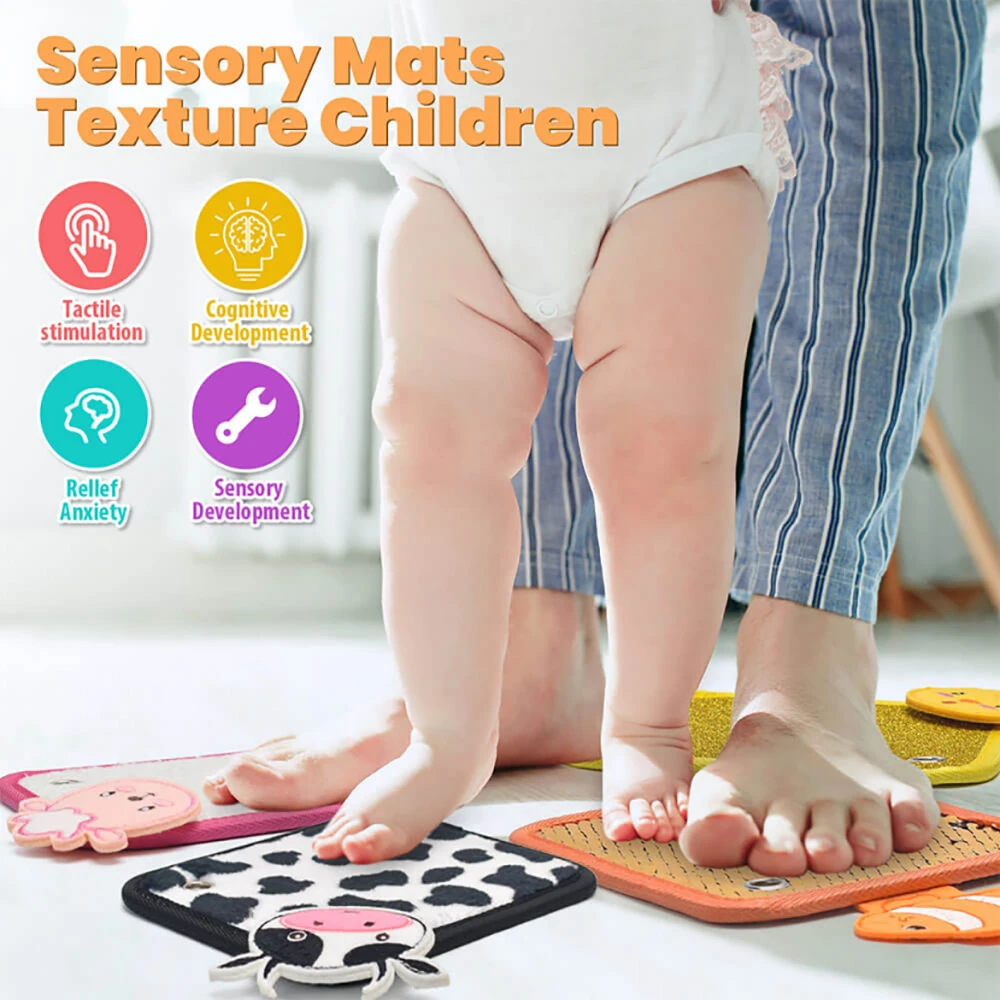
What Should You Look for When Choosing Sensory Mats?
Not every sensory mat is designed for the same age group or type of activity. Buyers should look at the complete product construction instead of focusing on appearance alone.
| Considerations | What to Look For |
| Supplier Experience | Proven track record in manufacturing toys compliant with US (CPSIA/ASTM) and EU (CE/EN71) standards |
| Textures and Accessories | Safe, non-toxic surface textiles with securely attached accessories to eliminate choking hazards |
| Materials and Quality Control | The environmental performance and durability of the felt and lamination process, as well as the supplier’s quality control system |
| Product Design | High-quality construction including reinforced edge webbing, anti-slip backing, and durable heat-lamination |
| Shipping and Transportation | Product weight, volume, and available shipping or trade terms |
ZOE Felt Sensory Mats for Toddlers
ZOE specializes in felt-based early educational products, with a focus on sensory development and cognitive learning. Its Sensory Mats Set is designed for toddlers and can be used in home schooling and preschool environments.
10-Piece Sensory Mats Set
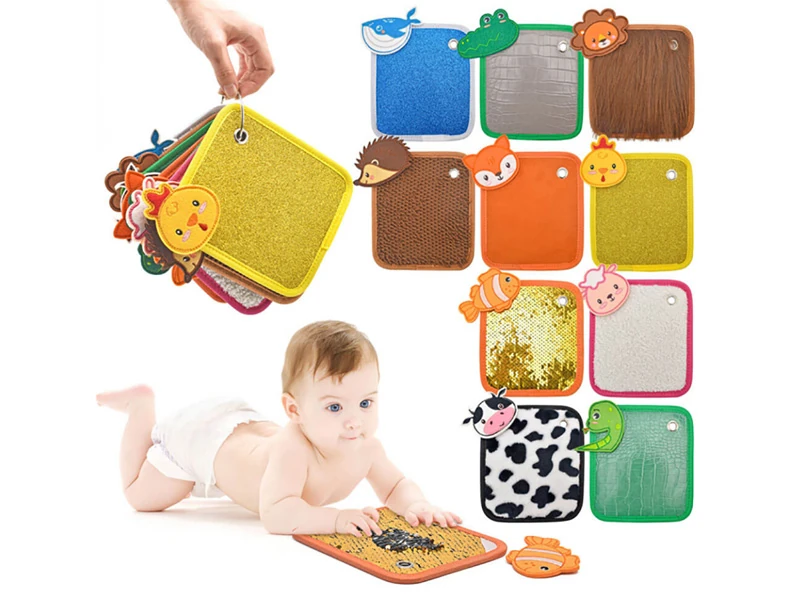
The ZOE Sensory Mats Set includes 10 rectangular sensory mats, each measuring approximately 150 × 170 mm. Each mat weighs about 0.05 kg, making it easy for both children and adults to handle and move during activities.
The mats can be used for stepping, crawling, balancing, and hands-on sensory exploration. Reinforced hanging grommets allow the mats to be chained together or wall-mounted for vertical play and easy storage.
Multi-Textured Surfaces and Animal Matching
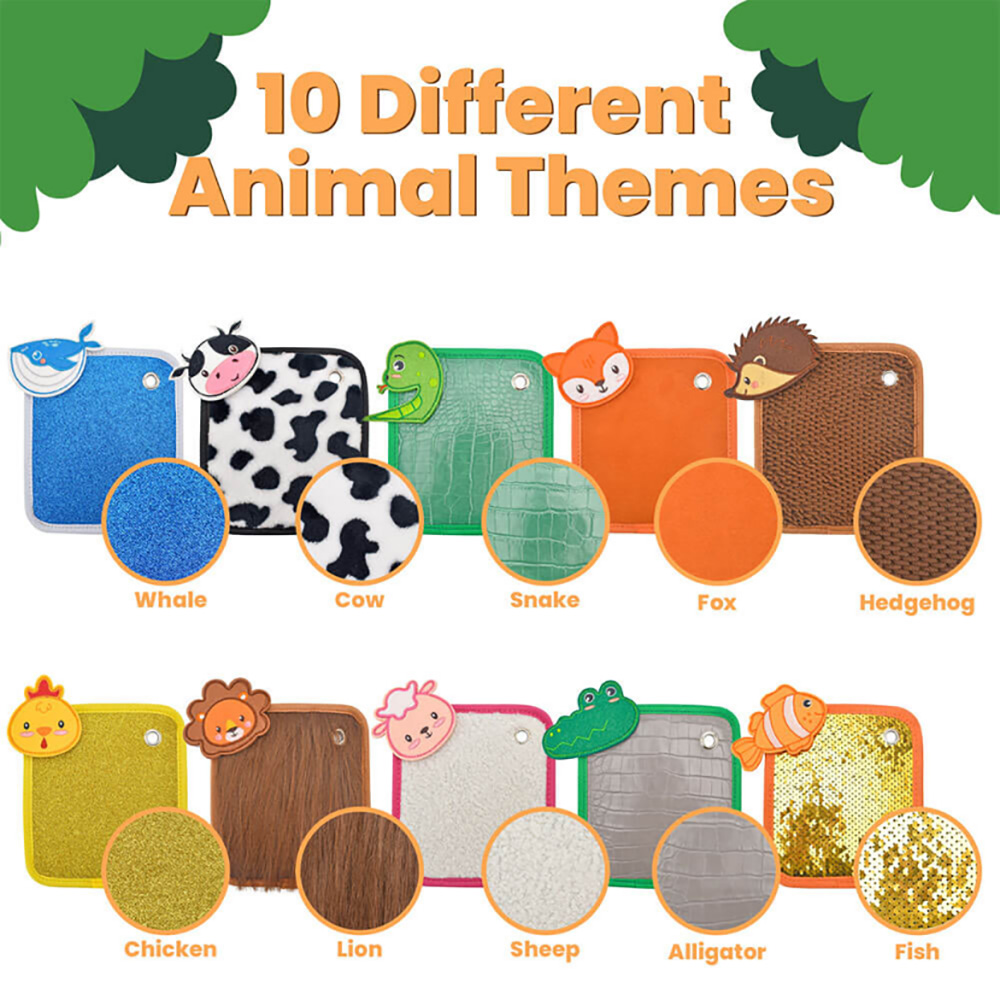
Each mat uses a different tactile surface to create varied sensory experiences. Examples include fluffy faux fur, flipped sequins, bumpy leather, and woven fabrics.
The set also incorporates detachable animal-themed pieces attached with hook-and-loop fasteners. Children can remove, identify, match, and reattach the pieces, combining tactile exploration with simple recognition and fine motor activities.
Animal themes include examples such as whale, fish, cow, alligator, sheep, hedgehog, snake, chicken, fox, and lion.
Child-Safe Materials and Non-Slip Design
The Sensory Mats Set uses Eco-Polyester Felt and other eco-material options, with a non-slip backing to help keep the mats stable during activities.
It meets ASTM F963, CPSIA, and EN71 requirements. The product is designed for children aged 18 months and above, with a compliance age of 3+.
OEM and ODM Customization
For brands and educational product suppliers, the Sensory Mats Set is available for OEM, ODM, and OBM customization.
The standard product uses heat press lamination and an OPP bag as standard packaging, with custom color boxes available as an optional upgrade. The stated MOQ is 500 sets for custom orders and 200 sets for in-stock products, featuring a standard custom production lead time of approximately 48 days (negotiable based on order volume). These options allow buyers to adjust the design, materials, packaging, and other product details according to their market requirements.
Frequently Asked Questions About Felt Sensory Mats
What Skills Do Sensory Mats Help Develop?
Sensory mats can provide opportunities to practice tactile exploration, fine motor skills, hand-eye coordination, recognition, matching, and simple problem-solving through age-appropriate activities.
Can Sensory Mats Be Customized?
Yes. Depending on the manufacturer, sensory mats may be customized in areas such as design, materials, textures, colors, packaging, and educational activities. OEM and ODM options can be useful for brands developing their own early-learning product lines.
What Materials Are Used in Sensory Mats?
Sensory mats can use different textile and felt materials depending on the design. Polyester felt is one option because it can be processed into different shapes and surface designs. Other Felt Materials may also be selected according to the required texture, durability, and application.
Conclusion
Felt sensory mats provide a practical way to combine tactile exploration with movement and early learning activities. Their value depends on thoughtful activity design, suitable materials, safe construction, and how well the product matches the child’s age and learning needs.
For educational product brands and suppliers, choosing a sensory mat should therefore involve more than comparing appearance or the number of textures. Material quality, safety requirements, durability, customization options, and everyday usability all deserve attention.
ZOE’s Sensory Mats Set combines multi-textured felt surfaces, animal matching activities, and movement-based play in a compact 10-piece format. With OEM and ODM customization available, it can also be adapted for brands and educational product suppliers developing sensory learning products for different markets. If you are looking for a customizable sensory mat for your educational product line, contact ZOE to discuss materials, design, packaging, and OEM/ODM options.